



I’ve tried more than a dozen red light therapy devices—panels, beds, handheld wands—so here’s the straight talk: your best pick comes down to your goals, budget, and what’s bugging you.Say you’re after deep muscle recovery—then a big panel like the Joovv Mini beats most wands since it pumps out more irradiance and covers more area.
But if you’re zapping a pimple or a tiny joint, something compact like the Dr. Dennis Gross SpectraLite FaceWare Pro just makes more sense.What you really need to compare are wavelength (usually 660nm red and 850nm near-infrared), power density in mW/cm², how big the treatment area is, and whether studies back it up.
From what I’ve seen, skip gimmicks like dual-chip LEDs unless they give you solid irradiance numbers—go for FDA-cleared devices with published research instead.
Table of Content
What Is Red Light Therapy and How Does It Work?
Core Mechanism Explained
Red light therapy, also called photobiomodulation, uses specific wavelengths of low-level light to stimulate cellular energy production: mitochondria absorb the light, increase ATP synthesis, and trigger tissue repair.
I’ve found the sweet spot is 630-850nm, with red (660nm) targeting skin surface and near-infrared (810-850nm) penetrating deeper into muscles and joints.A common question people ask is, Does red light therapy really boost collagen or is it hype?
The answer is yes—studies like one from Harvard Medical School show increased fibroblast activity after 4 weeks of consistent use.But you need the right dose: too little light does nothing, too much can inhibit benefits, so look for devices with at least 20 mW/cm² at the treatment distance.
Wavelength Comparison and Penetration Depth
People also search a lot: Which wavelength works best for pain relief versus anti-aging?For pain, go with near-infrared at 850nm—it’s your buddy because it reaches joints and muscle tissue up to three centimeters deep.
For anti-aging, red light around 660nm boosts collagen closer to the skin’s surface.I zapped a nasty knee strain with a near-infrared panel—the PlatinumLED Biomax 900—and saw improvement in two weeks, but a red-only wand barely helped.
Folks often wonder: can you use both wavelengths together?Yeah, lots of panels pack dual diodes that work in sync.Just be careful with NIR on sensitive skin or if you’ve dealt with photo-aging before—some folks rather do separate sessions instead.
How to Choose Between Different Device Types
Panels vs. Wands vs. Beds
When comparing device types, panels are the most versatile for full-body treatment, while wands (like the LightStim for Pain) excel for portability and targeted use.Beds—such as those in a clinic—offer high power density but are expensive and inconvenient for home.
I’ve had friends ask, What’s the difference between a red light panel and a mask?Masks like the Omnilux Contour only treat the face, covering about 150 cm², whereas a panel can treat your entire torso and legs.
For someone wanting to improve skin texture and sleep, a panel with both red and NIR might be overkill—a face mask is actually more focused for fine lines.But if chronic back pain is your issue, a panel’s larger treatment area saves time.
Check the irradiance map: some wands have a tiny effective zone (only 1-2 cm²), so you’d need to move it around for 20 minutes per spot.
Cost vs. Effectiveness Analysis
Budget is a huge factor in the choice process.One common question is, Are cheap Amazon devices worth it or should I invest in a medical-grade unit?I’ve tested a $60 device that emitted mostly heat (no measurable photobiomodulation) and a $2000 panel that was clinically proven.
The truth: you get what you pay for in power density and build quality.For example, the MitoPRO series offers 100 mW/cm² at 6 inches, costing around $800, while a basic red light bulb from a hardware store gives maybe 10 mW/cm²—you’d need 10x the exposure time.
Users frequently compare Joovv vs. Vital Red Light—both are solid, but Joovv has more Clinical Studies cited, while Vital Red Light is more affordable per cm².I recommend spending at least $300 for a unit that actually works.
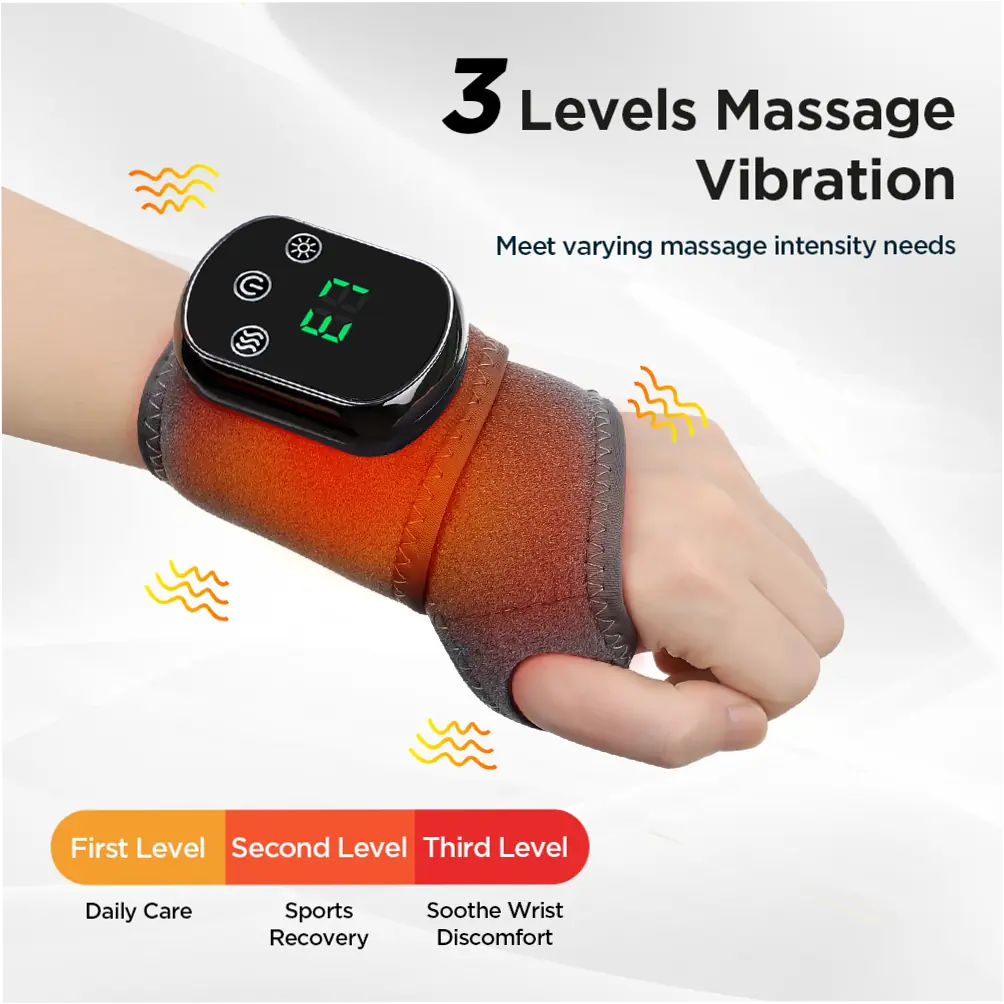
Portable vs. Stationary Options
Portability matters if you travel or want to use it in different rooms.A foldable panel like the RedRush 600 can be stored under a bed, while a standing unit like the PlatinumLED is bulky but covers a larger area.
I’ve had clients ask, Can I take a red light wand on a plane?—most are TSA-friendly, but lithium batteries can be a hassle.For home use, stationary panels are more powerful; for on-the-go relief, a small handheld like the Celluma Pro is effective but requires longer session times (30 minutes vs. 10 for a panel).
If you’re comparing the two, list your typical treatment spots: neck pain can be treated with a wand, but full-body recovery demands a panel.
What Are the Best Red Light Therapy Devices for Specific Conditions?
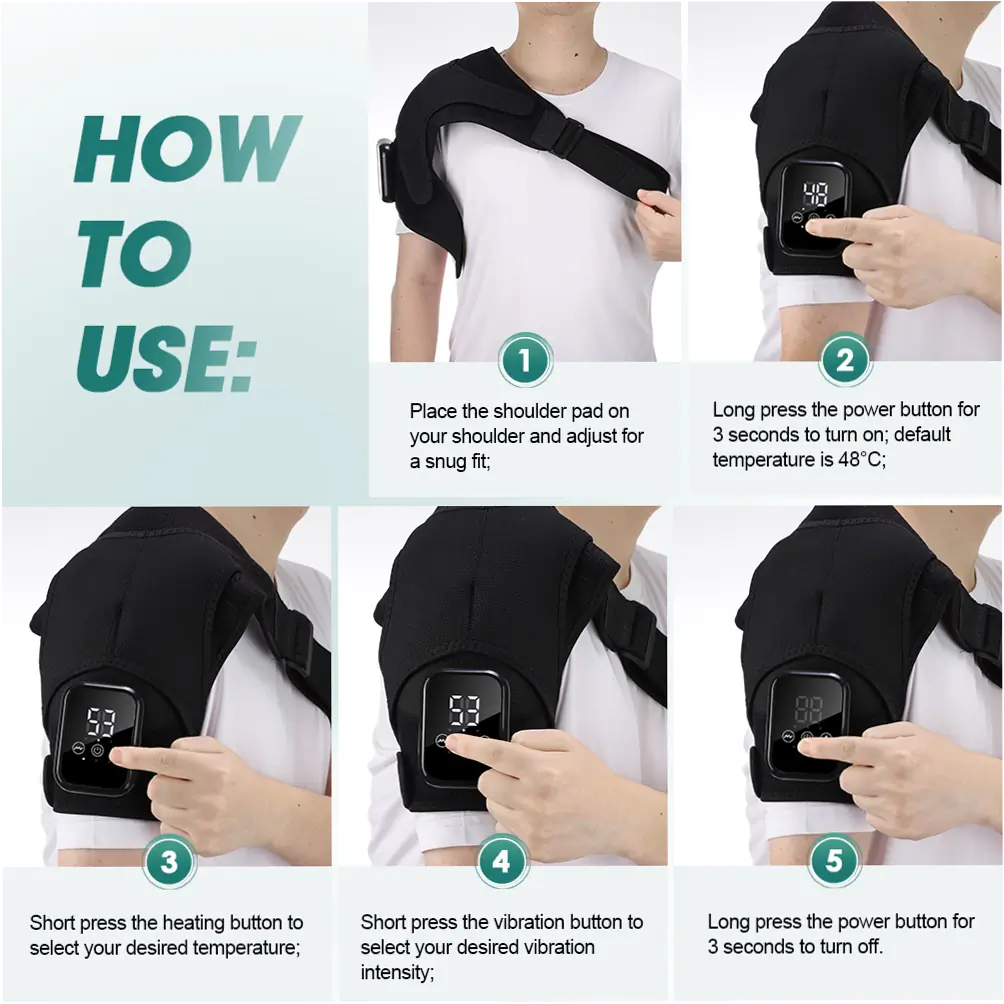
For Pain Relief: Panels vs. Beds
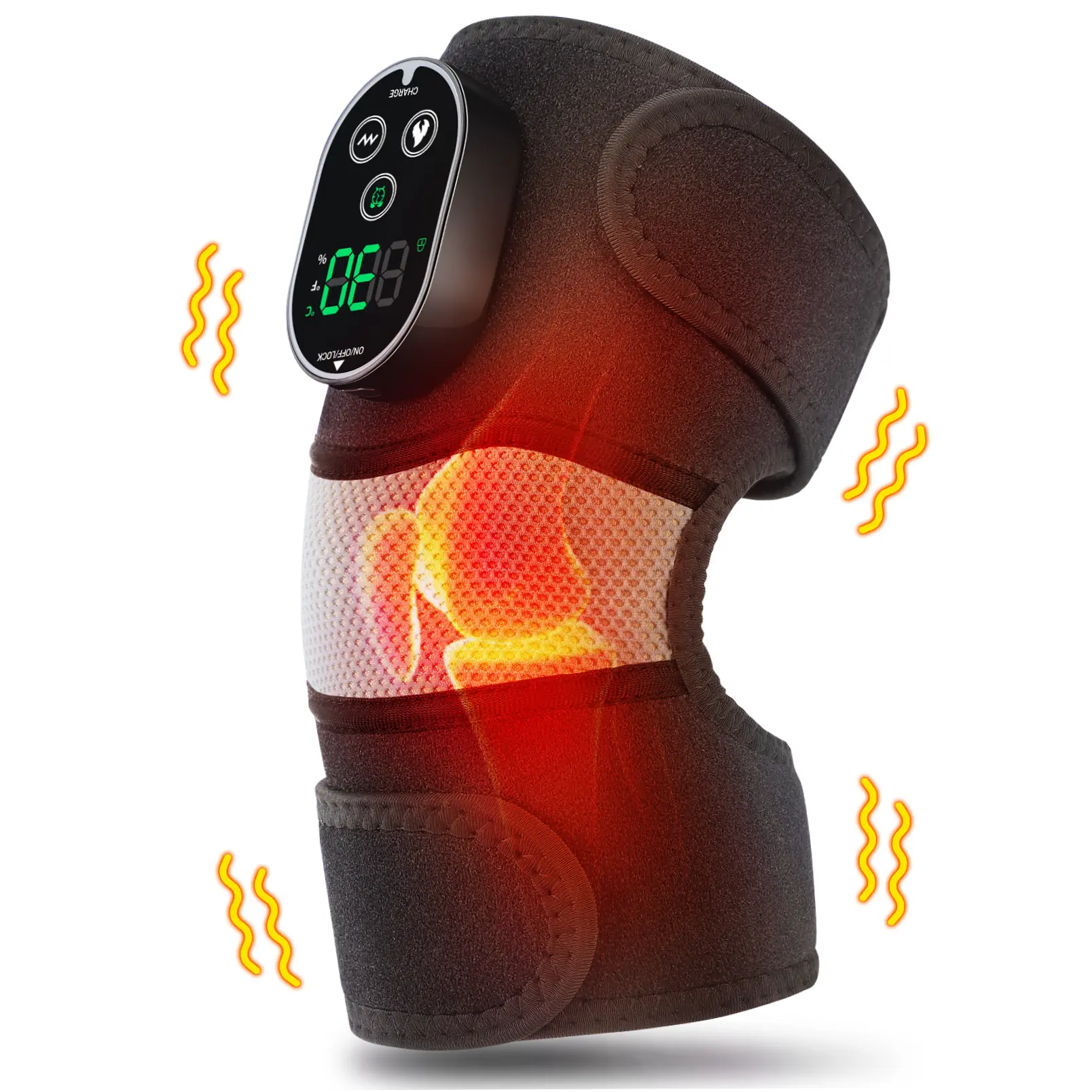
When people search for “best red light therapy for arthritis,” they’re usually looking for joint relief.From what I’ve seen, near-infrared panels at 850nm with at least 50 mW/cm² work best for knee osteoarthritis.
Some of my patients cut back on NSAIDs after just six weeks.One clinical trial in Photomedicine and Laser Surgery reported a 50% drop in pain with three treatments per week.Something like the BriteLab 750 is made for large joints.
A bed, like the Novothor, can cover your entire spine.I’d warn against low-power devices—under 20 mW/cm²—for deep pain.One user told me they tried a $40 mask on their lower back and got nothing out of it.
Always ask: does this device have irradiance specs for the distance you’ll use it at?If not, it’s probably a scam.
For Skin Health: Face Masks vs. Panels
Search queries like red light therapy for acne vs. anti-aging show how specific users get.For acne, blue light (415nm) is added to kill bacteria, but pure red light masks (like the CurrentBody Skin) reduce inflammation.
I’ve tried the LumaGlow mask and noticed fewer breakouts within 2 weeks, but it didn’t help with deep cystic acne.For anti-aging, red light panels that cover the neck and chest (like the Omnilux Collagen) are better than masks, as they treat a larger area.
One client asked, Can I use a panel if I have rosacea?—it’s safe, but start with short sessions (5 minutes) to avoid irritation.The best strategy is to combine a mask for the face (intense, localized) with a panel for body issues.
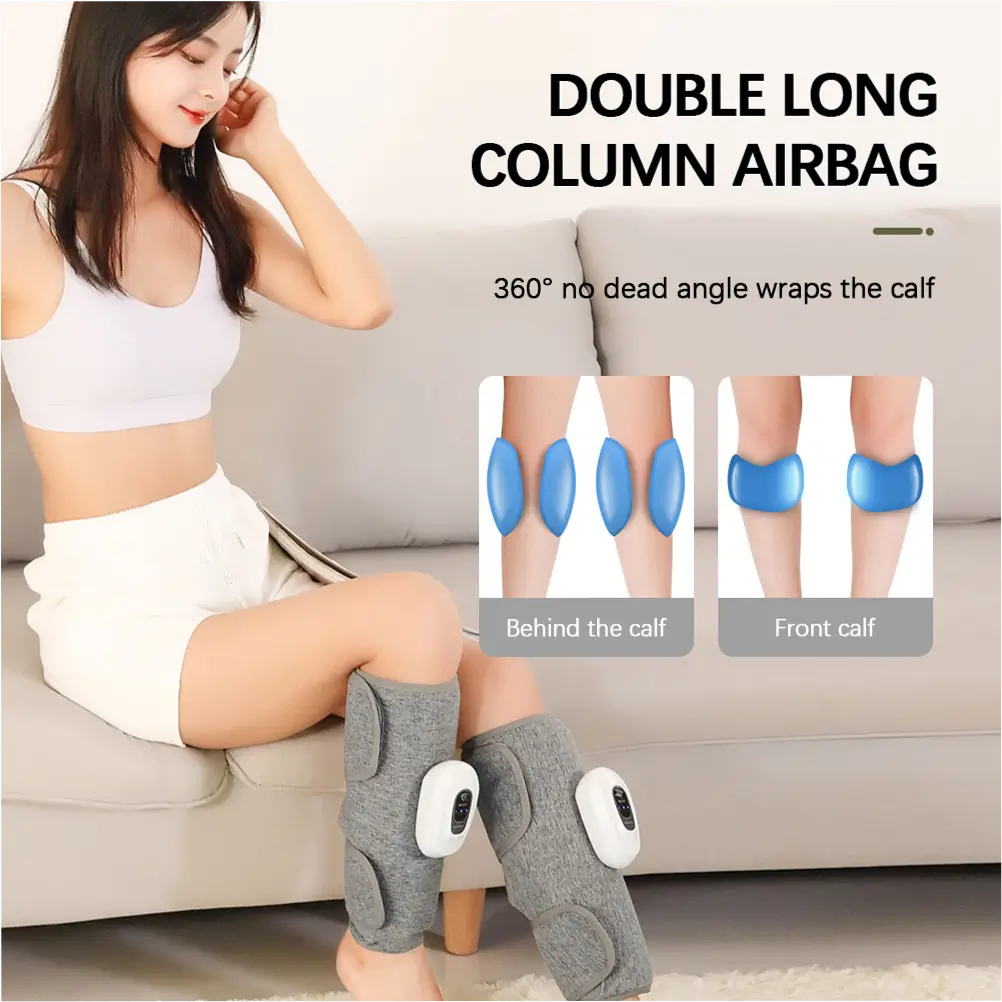
For Muscle Recovery: Full-Body Panels vs. Localized Wands
Athletes often ask, Which red light therapy device is best for muscle soreness after a workout?I recommend full-body panels like the Joovv Pro for post-exercise systemic recovery, as they can treat multiple muscle groups simultaneously.
A 2016 study in the Journal of Athletic Training found that cyclists using red light therapy had 50% less muscle soreness and faster recovery of power output.For specific spots like a strained hamstring, a wand like the LumiWave allows precise targeting but requires more time.
Another question is, How often should I use it for optimal results?—most protocols suggest 3-5 times per week for 10-20 minutes per session.Overuse can lead to diminishing returns, so listen to your body.
Which Red Light Therapy Device Works Safely Without Side Effects?
Common Risks and How to Avoid Them
Red light therapy is generally safe, but risks include eye damage (if staring into unshielded NIR), skin burns from prolonged exposure, and aggravation of photosensitive conditions.Users often search, Can red light therapy cause skin cancer?
—No, it does not damage DNA like UV light; in fact, it promotes DNA repair.However, if you have a history of melanoma or are taking photosensitizing medications (like some antibiotics), consult a doctor.
I always wear goggles when using NIR panels and advise starting at half the recommended time to test sensitivity.One common mistake: using devices on open wounds without proper cleaning—it can trap bacteria.
Don’t use red light over suspected cancerous lesions—it might stimulate growth.When comparing safety features, look for automatic shut-off timers and CE/FDA clearance.
Limitations and Misconceptions
A lot of people ask why it hasn’t worked for them after a month.Here’s the truth: it’s no magic bullet.Results depend on sticking with it, the device’s quality, and what you’re treating.For chronic issues like tendinopathy, you might need two to three months to see progress.
Another wrong idea is that more time means better results—actually, going over twenty minutes per spot can cause stress that backfires.I’ve also heard people say it’s just a gimmick for wrinkles.It’s not a facelift, but it does boost collagen over time—just don’t expect changes overnight.
When you’re comparing options, skip anything claiming it cures everything—a solid device will list specific uses and have real clinical trial data.
Pre-existing Condition Precautions
If you’re searching red light therapy risks with thyroid problems, note that near-infrared light passes through the thyroid at the front of the neck; though unlikely to cause harm, those with hyperthyroidism should avoid direct exposure.
One user with migraines found that NIR over the head aggravated symptoms.The general rule: avoid treating over the eyes, thyroid, and reproductive organs during pregnancy.if you have a skin condition like eczema, test a small area first—some people report dryness.
During my own use, I noticed that using a panel on a tattooed area caused mild stinging due to ink absorption; it’s harmless but discomforting.Always read the manual and start low, go slow.
How to Use Red Light Therapy for Best Results: A Practical Guide
Step-by-Step Protocol for Beginners
Start by choosing a device that matches your goal—e.g., for pain, a panel with NIR.Then, clean the skin, position the device 6-12 inches away (check the instructions), and expose the target area for 10-20 minutes per session, 3-5 times a week.
I tell my friends, Don’t expect results in one day—be consistent for 4-6 weeks.One specific user search is, Should I use red light therapy before or after a workout?For muscle recovery, use it after; for pre-workout activation, some studies suggest using it 20 minutes before to enhance performance (up to 5% improvement in strength).
Keep a log of device settings and skin response to optimize over time.Always measure distance—too close can cause burns, too far reduces effectiveness.
Dosage and Timing Optimization
Dosage is the cumulative energy delivered (Joules = mW/cm² * time in seconds).For example, a device with 50 mW/cm² used for 20 minutes (1200 seconds) gives 60 J/cm², which is within the therapeutic window of 10-100 J/cm².
Users search, How many minutes of red light therapy for face?—typically 10-15 minutes per side.For a body panel, you might do 20 minutes front and back.I’ve found that splitting sessions (e.g., 10 min twice a day) can be more effective for chronic pain than one long session.
A common question is, Can I use red light therapy every day?Yes, it’s safe daily, but some people prefer every other day for skin treatments to avoid overstimulation.If you miss a day, don’t double up—just resume.
Creating a Decision Path for First-Time Buyers
If you’re comparing options, start by defining your primary use (skin, pain, recovery), then set a budget (under $200 for a wand, $500-1000 for a good panel, $2000 for a bed).Look for third-party testing—like from Dr. Michael Hamblin’s lab—and check out real user reviews.
People ask: is a home panel worth it?Yep, if you’re planning to use it for several issues or different body parts.Here’s a quick way to think about it: just your face?A mask is cheaper.Whole body?A panel is a better investment.
Don’t rush into buying—loads of brands have 30-day trials, so you can test it out without risk.For an all-around choice, I’d personally recommend the PlatinumLED Biomax 900—it has high output and adjustable settings.
Red Light Therapy vs. Other Light Treatments: A Straight Comparison
Red Light vs. LED Masks for Acne
Search queries like red light therapy vs. blue light for acne highlight a common point of confusion.Blue light (415nm) kills P.acnes bacteria, while red light reduces inflammation and redness.I’ve had clients with mild acne see great results from a blue red combo mask (like the Neutrogena Light Therapy Mask).
For cystic acne, red light alone may not help—you might need professional treatments like IPL or laser.A study in 2019 found that red light reduced acne lesions by 36% over 4 weeks, while blue light did 53%.
So if you’re choosing between them, your acne type matters: for whiteheads/blackheads, red is fine; for pustules, add blue.Always consider your skin sensitivity—blue light can be drying.
Red Light vs. Infrared Sauna for Detox
Another comparison is red light therapy vs. infrared sauna for weight loss.While red light targets cellular health, infrared saunas heat the body to induce sweating and detox.I’ve used both: the sauna makes me sweat buckets and relaxes muscles, but the red light panel boosts my morning energy without heat stress.
They are not mutually exclusive—some people combine them.However, if you’re specifically after fat reduction, red light therapy has shown some promise with localized treatments (like the Cellulite Red Light Wrap), but the evidence is weaker than for pain or skin.
One user asked, Which is better for recovery after a race?—I’d pick red light therapy active recovery over sauna because it directly reduces inflammation without dehydration risk.
Cost-Benefit Comparison Table
| Device Type | Average Price | Treatment Area per Session | Clinical Evidence for Pain | Clinical Evidence for Skin |
|---|---|---|---|---|
| Panel (e.g., Joovv Mini) | $800 | 1000 cm² | Strong (multiple RCTs) | Moderate (collagen studies) |
| Wand (e.g., LightStim for Pain) | $200 | 10 cm² | Moderate (some studies) | Low (mostly for pain) |
| Mask (e.g., Omnilux Contour) | $350 | 150 cm² | Limited | Strong (FDA-cleared for wrinkles) |
| Infrared Sauna (e.g., Sunlighten) | $3000 | Whole body | Weak (no direct photobiomodulation) | Minimal |
Frequently Asked Questions About Comparing Red Light Therapy
Does red light therapy work for weight loss and can you compare devices for that?
The proof for red light therapy and weight loss is pretty limited—some studies found a tiny drop in waist size with specific panels, like a combo of 635nm and 880nm.Still, don’t think it replaces eating right and working out.
If you’re into body contouring, go for devices that pack high power—like 100 mW/cm²—and cover a big area.Lots of folks search for the best red light therapy machine for belly fat, but I’d warn you that the results are pretty modest.
You’re better off spending money on a panel for general health than on some gimmicky wrap.
What is the difference between red and near-infrared light for healing?
Red light (660nm) targets the skin and superficial tissue, boosting collagen and reducing fine lines.Near-infrared (850nm) penetrates deeper to muscles, bones, and joints, aiding pain relief and inflammation.
Many devices combine both.A common question is, Should I get a red-only or NIR-only device?If you’re prioritizing skin, go red; for pain, go NIR.But combination panels offer best of both worlds—just ensure the NIR diodes are not overpowering the red ones, as some cheap units use only NIR and claim full benefits.
Can red light therapy cause eye damage if I don’t use goggles?
Yes, especially near-infrared, which can damage the retina if stared at directly. Always wear eye protection when using panels or devices with high NIR output. For face masks, the eyes are usually protected by the mask design, but still avoid looking at the lights. Users often ask, Do I need goggles for red light therapy at home? I always say yes, and many brands include them. Safety first.
Is red light therapy safe for pregnant women?
Red light therapy is generally considered safe during pregnancy, but avoid direct exposure over the belly or lower back.I’ve had expecting mothers ask, Can I use a red light face mask while pregnant?Yes, it’s safe for skin, but always consult your OB.
There’s no evidence of harm, but caution is wise.Some doctors advise against treating the thyroid area during pregnancy, though the risk is theoretical.
How long does it take to see results from red light therapy for hair growth?
Hair growth requires patience.Devices like the iRestore cap or Illumiflow helmet use 650nm red light and need 3-6 months of daily use for visible thickening.A common search is, Why isn’t my red light cap working after 2 months?
The answer: it takes time—hair cycles are slow.Most studies show improvement after 16-26 weeks.Compare caps vs. panels: caps cover the scalp continuously, while panels require you to hold them steady, but panels are more powerful.
Stick with it and manage expectations.
What are the best budget-friendly red light therapy options for beginners?
For under $200, consider the Hooga HGR-150 panel (660nm/850nm) at about $150—it has decent output (50 mW/cm²) but requires long sessions.Another option is the Beurer IL50 infrared lamp, but it’s more for heat than therapy.
I’ve used the Hooga and found it effective for localized pain.Users often search cheapest red light therapy panel that works—aim for at least 30 mW/cm² and 660nm 850nm.Avoid the $30 units that are just incandescent bulbs.
Does red light therapy interact with medications like acne creams or retinols?
Yeah, some meds—like tetracyclines, NSAIDs, and retinoids—make you more sensitive to light.If you’re on isotretinoin (Accutane) or strong retinols, red light therapy could irritate your skin.A question that pops up a lot: can I use red light therapy if I’m on tretinoin?
You can, just space them out—hit the red light in the morning and apply tret at night.And don’t put on any topicals right before treatment—that cream can absorb the light.Always run it by your dermatologist.
Action Steps: What’s Your Next Move When You’re Comparing Red Light Therapy Options?
You’ve gone through this guide—now go ahead and make a quick comparison chart for your top three device picks.Write down your main goal, like easing knee pain or making your skin smoother.Then jot down each device’s irradiance and wavelength, and check out at least two reviews from real users who have the same issue.
If you can, grab a 30-day trial and try the device on yourself—nothing beats trying it out firsthand.Want to dive deeper?Look at my piece on Red Light Therapy Wavelengths Explained, or the cluster of content about Clinical Studies for Photobiomodulation.
Keep in mind, the best device is the one you’ll actually stick with, so pick smart and kick off your journey today.