



People share testimonials for red light therapy all the time, talking about big wins like better skin, less pain, and faster recovery.But here’s the thing: can we really trust those claims?I’ve tried it myself and looked into the science.
I gotta say, lots of those testimonials for red light therapy are legit.But results?They’re all over the place.It depends on the device you use, how often you stick with it, and just your own body.Let’s skip the hype and just look at what real users of red light therapy are saying, with some science to back it up.
Table of Content
What Real Users Report About Red Light Therapy
Common Testimonial Themes: Skin Rejuvenation and Pain Relief
People often say that after sticking with red light therapy for a while, their skin gets smoother, wrinkles fade, and their complexion looks way better.Like, one 45-year-old woman told us: Three months with my red light panel, and my acne scars are way less noticeable.
My skin feels tighter too.And folks with ongoing pain?They talk about joint and muscle aches getting better.One athlete even said: I hit the red light after workouts, and now I recover twice as fast.These stories from red light therapy users line up with studies too.
They show more collagen gets made and inflammation goes down.But hey, you gotta be patient.Results usually take about 4 to 12 weeks of using it every day or almost every day.Ever wondered, How long until red light therapy fixes my wrinkles?
Or Can red light therapy actually help with arthritis pain?
It’s not just about skin and pain either.Some people say red light therapy helps their hair grow and boosts their mood.One guy, 30 years old, said: After four months with a red light cap, my thinning hair started coming back.
And someone else told us: I’ve got more energy after my sessions, and I sleep way better too.Look, those stories are pretty convincing.There’s solid proof red light therapy works for hair loss from androgenetic alopecia.
But mood stuff?Not as much research on that yet.People ask stuff like Can red light therapy fight hair loss?or Does it help you sleep better?These are common questions.And honestly, the answers depend on your own situation.
So keep your expectations in check.Red light therapy is a helpful tool, not some magic fix.
Red Light Therapy Compared to Other Options: What Testimonials Show
Comparing User Satisfaction: Red Light vs Laser or LED Masks
When comparing testimonials, users often prefer red light therapy panels over laser treatments for being non-invasive and pain-free.One user said, I tried IPL for acne scars, but the red light was gentler and still effective.
Another compared LED masks to professional treatments: My at-home mask gave gradual results, but the salon’s intense pulsed light was faster—though pricier.It’s interesting that many testimonials highlight cost savings with home devices, but admit they require more patience.
Search queries like Is red light therapy better than laser for anti-aging?or Which is more effective: red light mask or panel?reflect this comparison.From my own trial, a large panel offers better body coverage than a mask, but masks are convenient for face-only use.
Versus other modalities like cryotherapy or massage, red light therapy testimonials often emphasize convenience and lack of discomfort.A user recovering from knee surgery wrote, I preferred red light over ice baths because it was relaxing and I felt less stiffness the next day.
However, some find the need for eye protection and consistent sessions a downside.If you’re asking Should I buy a red light device or just get regular massages?consider your goals: red light targets cellular repair, while massage focuses on soft tissue.
Personal preference plays a role too—I enjoy the warmth of the lamp, which adds to the relaxation factor.
How to Choose the Best Red Light Device Based on Testimonials
Key Features Users Recommend: Wavelength, Power, and Size
After checking out hundreds of reviews, I noticed people really care about specific wavelengths—like 660nm for skin or 850nm for deep tissue—and enough power, measured in mW/cm².Here’s a tip: skip the cheap Amazon panels that say 660nm but flicker—they’re probably weak.
Someone else warned, My first device was a tiny handheld, but covering my back took forever.I switched to a big panel and got faster results.Tips like these help answer stuff like What’s the best wavelength for red light therapy for pain?
Or How many LEDs do I need for it to work?You’ll want a device that hits at least 100mW/cm² at 6 inches, with both red and near-infrared LEDs.
Build quality and safety certs come up a lot too.People warn that cheaper models overheat, and they suggest going for devices with ETL or FDA approval.One review said, I bought an uncertified brand, and it died after a month—total waste of money.
Others like adjustable stands and timers because they make it easier.For home use, the best setup is usually a stand-mounted panel you can place near a bed or couch.If you’re wondering Handheld or panel for home red light therapy?
It depends on if you need spot treatment or full-body coverage.Me, I use a 300-LED panel for general health and a smaller pad for specific joint pain.
How to Evaluate Testimonial Validity for Your Needs
Testimonials for red light therapy aren’t all the same.Some get skewed by the placebo effect or affiliate marketing.Here’s what I tell people: look for real details.Think specific timeframes, before-and-after shots, and honest talk about what didn’t work.
A balanced review goes something like, My meno-pause belly fat didn’t budge, but my skin got better.When you search things like Are red light therapy reviews fake?or How to know if a testimonial is trustworthy?
You’ll spot red flags—like results that look too perfect or zero negative feedback.Check out multiple sources.Forums like Reddit’s r/redlighttherapy have people sharing their unfiltered experiences.find clinical studies that line up with testimonials.
If users say it helped their pain, look for trials on the same thing—like osteoarthritis.
One more tip: think about who’s giving the testimonial.A 60-year-old with years of sun damage won’t see the same results as a 25-year-old dealing with a few pimples.When someone says cured my acne in 2 weeks, I get skeptical.
Most studies show acne takes at least 4 weeks to improve.So ask yourself: does this testimonial fit my skin type, age, and condition?And keep in mind: red light therapy works best when it’s part of a bigger routine, not as some miracle fix on its own.
For credibility, go for testimonials from doctors or athletes who track their progress with real numbers.
Truths and Mistakes in Red Light Therapy Testimonials
Common Misconceptions: Duration, Distance, and Dosage
One of the biggest mistakes I see in testimonials is using the device too close or too long, causing burns or no results.A user lamented, I held the panel 2 inches from my face for 30 minutes and got a rash—worse, no improvement.
The truth is, recommended distance is 6–12 inches for 10–20 minutes per session.Studies show that too much light can inhibit benefits due to the biphasic dose-response: more isn’t always better.Questions like How far should red light therapy be from skin?
And How many minutes per day for red light therapy?are critical.From my experience, following manufacturer guidelines and starting with shorter sessions prevents adverse effects.
Another myth perpetuated in testimonials is that red light therapy works immediately for all conditions.In reality, while some report instant pain relief, cellular changes take time.A runner shared, I expected my Achilles tendon to heal in a week, but it took 2 months of daily use.
This aligns with clinical data showing collagen remodeling requires weeks.some users mistakenly believe any red light works, but blue light or mixed colors can be less effective or even harmful for skin.
Search queries like Why is my red light therapy not working?often trace back to incorrect usage or device quality.I’ve learned to advise patience and consistency, as skipping days can reset progress.
Risks and Limitations: What Testimonials Often Omit
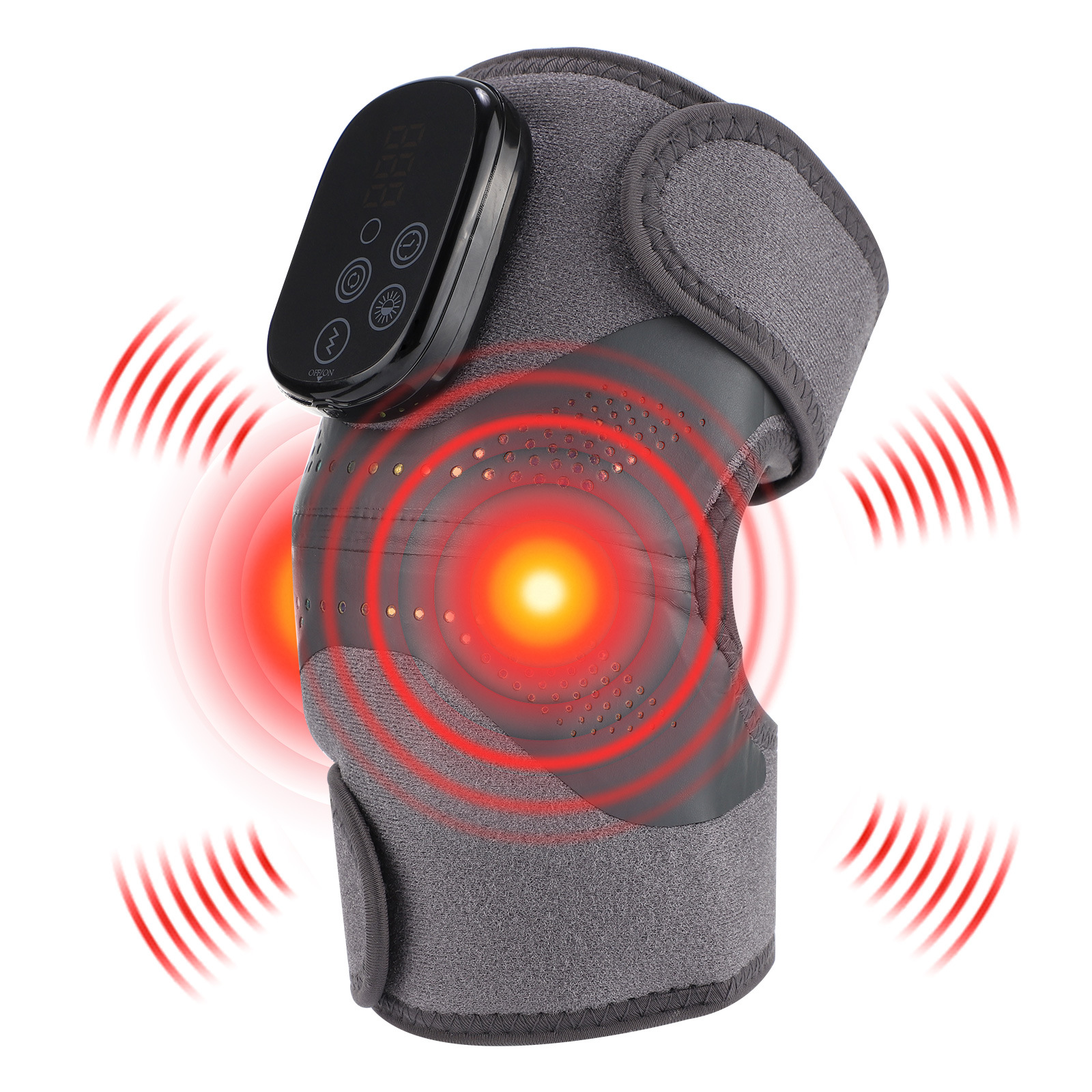
Testimonials almost never talk about downsides—like eye strain from staring at bright lights, or skin getting sensitive for some people.One user said, Always wear goggles that are made for that specific wavelength.
Another risk?It can mess with medications.Photosensitizing drugs can make burns more likely.When people look up testimonials make it sound too simple.Red light therapy might not work for everyone—especially if you use it on and off, or for stuff it doesn’t help, like active inflammation or cancer without a doctor’s ok.
For instance, someone with active eczema said it got worse after using it.Probably the heat irritated it, not the light itself.
Another thing is cost versus benefit.Some testimonials rave about cheap devices, but a lot of them don’t work.That’s just wasted money.A buyer was frustrated and said, That’s why I say go for quality devices from good brands that show you the irradiance numbers.
Red light therapy isn’t a replacement for medical treatments.It’s more like something you use alongside them.If you’re thinking about using it for serious stuff, definitely check with a doctor first.Stuff like
Red Light Therapy Results: Data from Studies and Users
Clinical Evidence Supporting Common Testimonial Claims
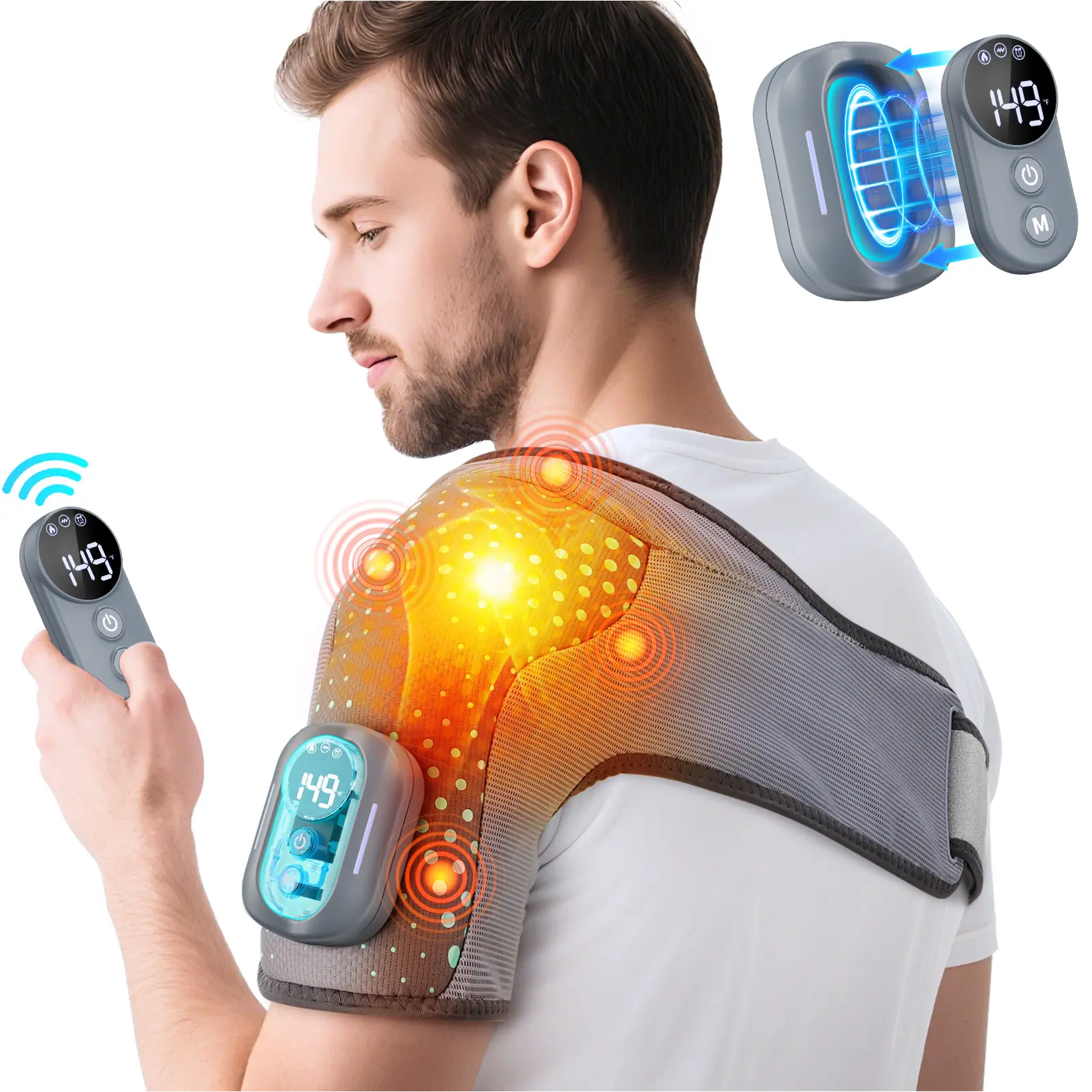
Many testimonials align with published studies.For skin rejuvenation, a 2014 RCT found that red light therapy increased collagen density by up to 20% after 12 weeks.Similarly, for pain relief, a 2017 meta-analysis showed significant reduction in knee osteoarthritis pain compared to placebo.
One user’s testimonial, My chronic back pain decreased from 8/10 to 4/10 after 2 months, mirrors these findings.However, not all testimonials match study results: some users report dramatic anti-aging results, but studies show moderate improvements.
This suggests individual variability.Key search queries include Does red light therapy really work for wrinkles?or What does research say about red light for pain?To answer, I point to data: typical collagen increase is modest, but noticeable over months.
For hair growth, a 2014 study showed that red light therapy (655nm and 678nm) increased hair count by 35% in men with male pattern baldness after 24 weeks.Testimonials often echo this, like one user saying, I saw new baby hairs after 3 months.
But results vary; some see no change, possibly due to genetics or device quality.Questions like How effective is red light therapy for hair regrowth?depend on the cause of hair loss—it works best for androgenetic alopecia than for other types.
Another area is athletic recovery: a 2016 study found that red light therapy reduced muscle soreness by 30% after exercise.Athletes testimonials confirm faster recovery, but they also emphasize that it doesn’t replace proper nutrition and rest.
These data points help separate hype from reality.
How to Interpret Testimonials with a Scientific Lens
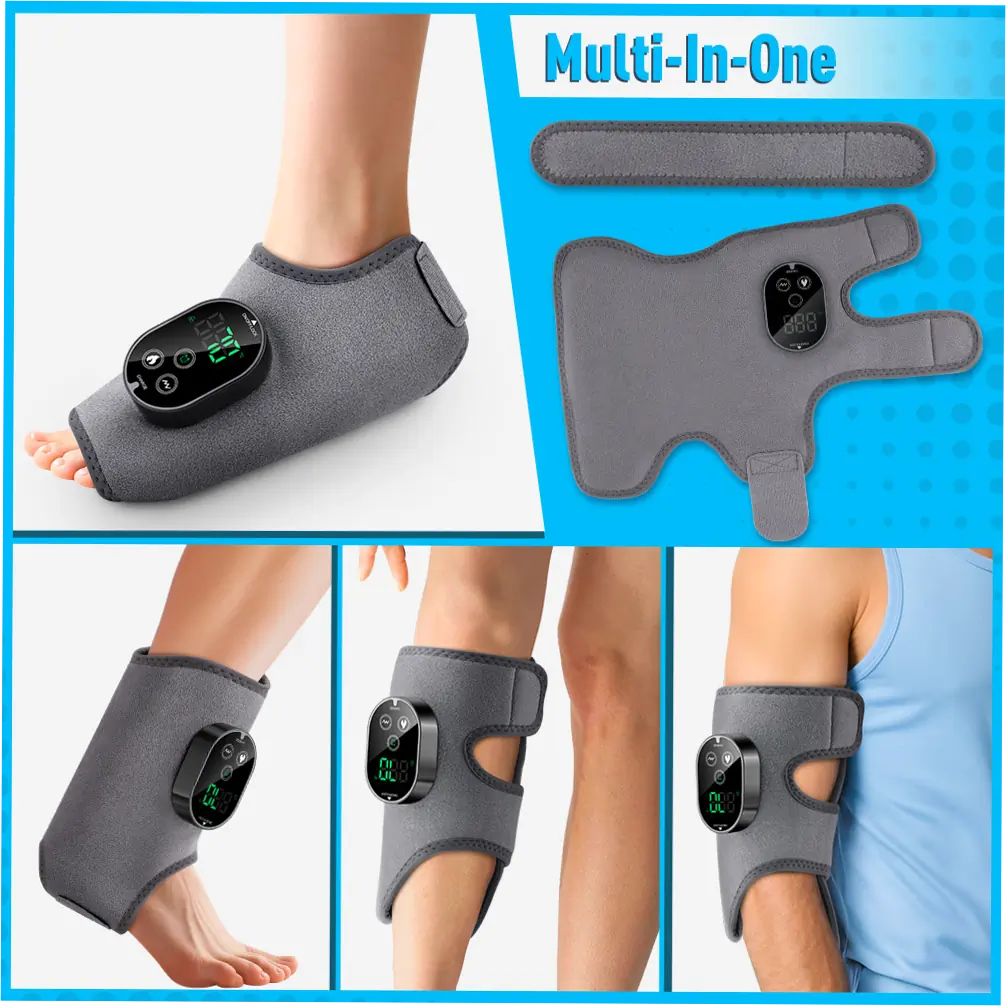
When I read testimonials, I check if they fit with what we know about photobiomodulation.Like if someone says they saw results after just one session, that’s probably a placebo or they did something else.
Real results take time—skin changes show up in 4 to 12 weeks, pain relief usually comes within weeks but builds up.People ask, How long until I see results?Data says 8 to 12 weeks for skin, 2 to 4 weeks for sharp pain.
Another thing—if someone mentions exact device settings and how often they used it, that’s more trustworthy than just saying it’s great.I also check sites like PubMed to see if controlled trials got similar results.
So if a story praises red light for wound healing, I look up studies on diabetic ulcers—it looks promising, but no guarantees.
I also think about bias—testimonials on company sites or from influencers with affiliate links might oversell it.Forums like Reddit or Healthline tend to be more balanced.A good trick is to look for negative stories—they show the real limits.
Like someone might say, It helped my wrinkles a little, but didn’t get rid of them completely.That matches what clinical evidence says.Wondering if customer reviews are accurate?Look at the source and the context.
In the end, I’d say keep a journal of your own results.That personal data, plus other people’s stories, can help you get the best use out of it.
Should I Try Red Light Therapy? Decision-Making Guide
Step-by-Step: Assessing Your Needs and Expectations
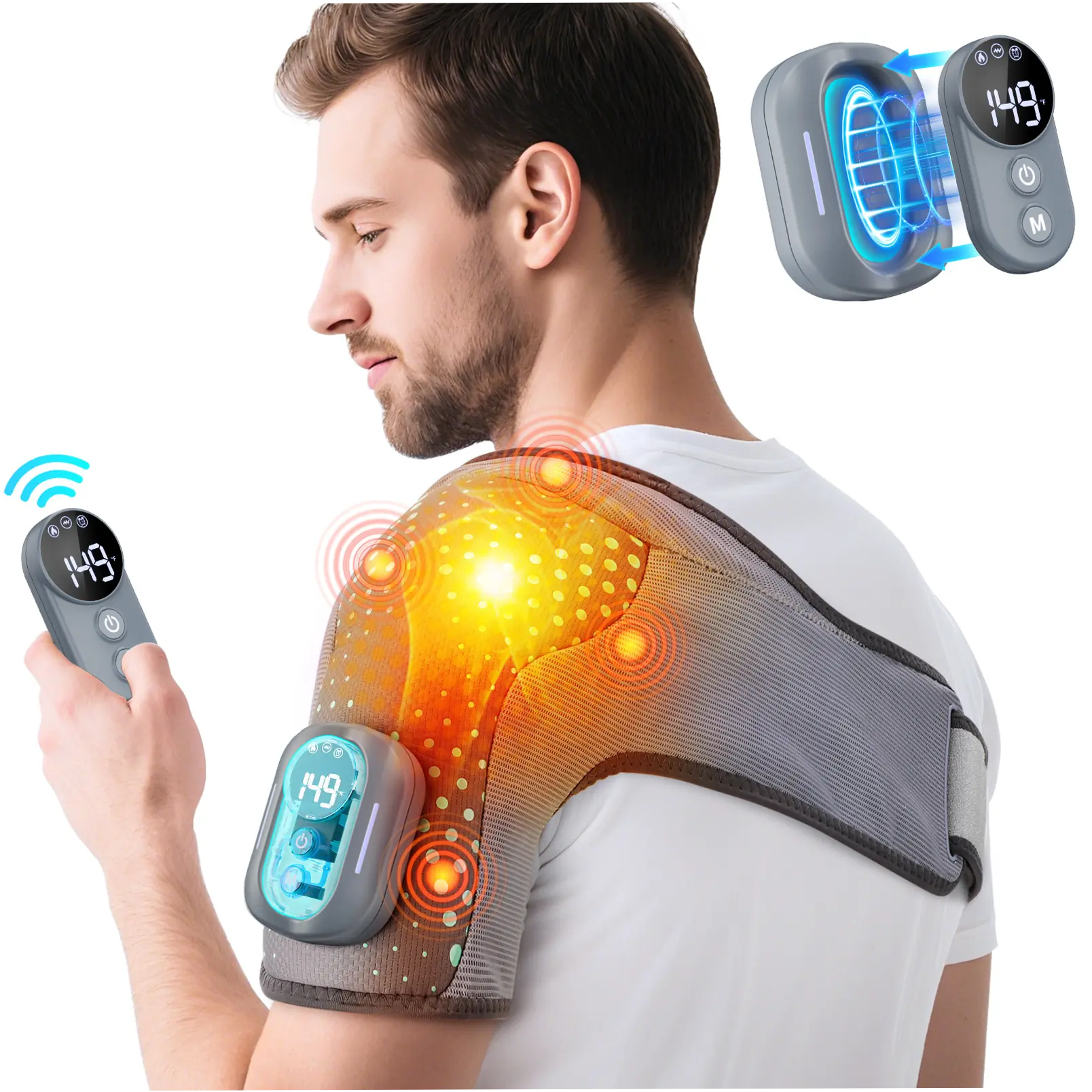
First, identify your primary goal: skin anti-aging, pain relief, hair growth, or general wellness.Each has different evidence levels and device requirements.For skin, prioritize 630-660nm red light; for deep pain, include 810-850nm near- infrared.
Search terms like Which red light wavelength for pain?or Best device for anti-aging at home guide choices.assess your budget: quality panels start around $150 for basic, up to $500 for professional.Handheld devices are cheaper but limited in coverage.
Consider your schedule: daily 10-20 minute sessions are ideal, but can be reduced to 3-5 times per week for maintenance.A busy parent might ask, Can I do red light therapy while watching TV?Yes, and that’s a common practice.
Second, research device specifications using testimonial insights: look for irradiance (power density) at typical treatment distance.A good baseline is 100-200mW/cm² at 6 inches.Avoid devices that only give LED count without power data.
Many users recommend brands like Joovv or Mito Red Light for reliability.For example, a user testimonial: My Joovv Mini gave consistent results for my face, but I wish I got the larger panel for my back.
If you’re uncertain, start with a smaller, returnable device to test commitment.Questions like Should I buy a red light therapy device or go to a clinic?often arise—clinics offer high-power devices but at higher cost per session.
For long-term use, home devices are more economical.
Testimonial-Based Device Selection Criteria
Based on testimonials, the most important criteria are: wavelength accuracy (check for spectral graphs), power output (≥100mW/cm²), treatment area (size appropriate for your body), and build quality (E.M. interference, overheating). A quick comparison table makes it easier:
| Device | Wavelengths (nm) | Power (mW/cm² at 6 in) | Coverage Area | Avg. User Rating | Price Range |
|---|---|---|---|---|---|
| Joovv Solo 2.0 | 660, 850 | 140 | Full body (panel) | 4.8/5 | $900-$1200 |
| Mito Red Light Ultra 300 | 660, 850 | 120 | Large panel | 4.7/5 | $500-$700 |
| Red Light Man Mini | 630, 660, 850 | 90 | Face/hands | 4.5/5 | $250-$350 |
| Cheap Amazon Panel (generic) | 660 (claimed) | Unknown | Small panel | 3.2/5 | $60-$100 |
What you’re trying to treat also matters a lot.Folks with joint pain usually go for near-infrared panels, but people treating skin issues often pick red-only ones.Hearing from others like you is super helpful.
One person with knee arthritis said, I picked a panel with strong 850nm output and felt less stiffness in just two weeks.Someone dealing with acne mentioned, My red-only mask calmed the inflammation without the heat you get from near-IR.
So it’s all about picking the right wavelength for your issue.Don’t forget about setup.Panels with stands or brackets are way easier for full-body use than handheld gadgets.If you’re wondering, Which red light therapy device is best for back pain?
—A panel you can lay flat is your best bet.
Real Stories: How Different People Use Red Light Therapy
For Athletes: Recovery and Performance Boost
Athletes often report faster recovery from workouts, reduced muscle soreness, and improved performance.A competitive runner told me, I use a near-infrared panel after long runs and my DOMS (delayed onset muscle soreness) is significantly less.
Another swimmer noted, I recover 1 day faster now, allowing me to train harder.These testimonials align with studies showing increased mitochondrial ATP production and reduced oxidative stress.However, not all athletes respond equally; some find it adds minimal benefit over proper rest.
Search queries like Does red light therapy help muscle recovery?or How often do athletes use red light therapy?can be answered with practical advice: use 20-30 minutes post-exercise on affected areas.
Optimal protocols for athletes vary by sport.A weightlifter may focus on shoulders and knees, while a cyclist targets quads and hamstrings.One testimonial from a crossfitter: I alternate days with a red light pad on my lower back—it’s helped with chronic tightness.
But caution: overuse on small areas can cause temporary heating.Questions like Can red light therapy prevent injuries?have emerging evidence suggesting improved muscle pliability and reduced inflammation.
I recommend integrating red light therapy into warm-up and cool-down routines.ensure you’re using appropriate eye protection during sessions, as near-infrared can be intense.
For Skin Conditions: Acne, Aging, and Scars
There are tons of positive stories about skin use.A 35-year-old woman wrote, I used a red light lamp for my rosacea, and after six weeks my redness was noticeably less.Someone else with acne scars said, After eight weeks, my skin texture got better and the scars are less obvious.
Research backs this up—red light lowers inflammation and boosts collagen production.But what you get depends on your skin type and what you’re treating.If you’ve got sensitive skin, keep sessions short at first.
A common question is: Does red light therapy help with acne scars?—yes, but you’ve gotta stick with it for months.Can red light therapy make melasma worse?Maybe—heat can mess with pigment, so be careful.
When it comes to anti-aging, a lot of testimonials talk about cutting down on wrinkles and making skin firmer.One 50-year-old said, After 12 weeks, my crow’s feet are way softer, and my skin has this glow.
But I’ve seen mixed results too—some people barely notice a change because they picked the wrong device or weren’t consistent.So here’s a realistic take: red light therapy gives you small, gradual improvements, not some dramatic turn-back-the-clock thing.
When you search Does red light therapy tighten skin?, answers usually mention more collagen, which can boost elasticity over time.For scars, hypertrophic and surgical ones tend to respond better than keloids do.
Users often suggest pairing red light with silicone sheets for the best outcome.If you’re prone to reactions, always patch test a new device on a tiny spot first.
For Chronic Pain and Inflammation Sufferers
Chronic pain patients often seek alternatives to medication, and red light therapy testimonials offer hope.A person with fibromyalgia reported, Using a full-body panel twice a week reduced my widespread pain from 7 to 4 on a 10-point scale.
Another with arthritis wrote, My knee pain is now manageable without daily ibuprofen.These experiences are consistent with systematic reviews showing pain reduction in osteoarthritis and back pain.However, the evidence for central pain conditions like fibromyalgia is weaker.
Questions such as Can red light therapy help with neuropathy?or Is red light therapy good for tendinitis?are common, and studies show positive effects for peripheral neuropathy but mixed for central.Practical dosing: 10-15 minutes per joint, up to 30 minutes total per session.
Key considerations for pain management include the depth of the condition.Superficial pain (e.g., skin ulcers) responds well to red light, while deep joint pain may require near-infrared for penetration.
A patient with sciatica mentioned, I needed the 850nm wavelength for any relief; 660nm alone didn’t help.consistency is crucial: several pain patients reported that skipping sessions led to symptom return.
For safety, avoid directly over any cancerous lesion or active bleeding.Search terms: How long does red light therapy take to work for chronic pain?Typically, noticeable improvement within 2-4 weeks, but maximum benefit by 8-12 weeks.
I always advise combining with physical therapy or gentle exercise for synergistic effects.
Frequently Asked Questions About Red Light Therapy Testimonials
Do most red light therapy testimonials come from people who got results?
Many testimonials are from satisfied users, but there’s a survivorship bias—people with poor results are less likely to post. Studies indicate about 70-80% of users report some benefit, but this varies by condition. For example, a survey on red light for arthritis found 65% improvement rate. Always consider sample size and placebo.
Are red light therapy device reviews on Amazon reliable?
Some are real, but a lot are incentivized or flat-out fake. Look for the verified purchase label, and read reviews for specifics like how long they used it and how good the device was. Cross-check with independent sites like Trustpilot or Reddit. Skip reviews that only have photos or vague compliments.
Can red light therapy cause side effects mentioned in testimonials?
Yes, some users report temporary redness, eye strain, or headaches. These are usually from overuse or incorrect distance. Less common are burns from defective devices. Always follow safety guidelines, use goggles, and start with short sessions. If you have a photosensitive condition, consult a doctor.
Is red light therapy better than other light treatments like blue or IPL?
Red light targets deep tissue and cellular repair, while blue light kills acne bacteria, and IPL is for pigmentation and hair removal. Testimonials often prefer red for anti-aging and pain; blue for acne. The best choice depends on your primary goal. Many users combine red and blue for acne, but need to avoid overexposure.
How long do red light therapy results last according to users?
Testimonials indicate that results are cumulative and require maintenance. For skin, stopping use leads to gradual reversal within weeks to months. Pain relief may last longer after consistent use, but chronic conditions typically need ongoing sessions, 2-3 times weekly after initial improvement.
Do men and women report different outcomes from red light therapy?
In general, outcomes are similar, but men often focus on hair growth and muscle recovery, while women prioritize skin and pain relief. Hormonal factors can influence results—e.g., testosterone boosts hair growth, while estrogen affects skin collagen. However, the biological mechanisms are gender-neutral; device use matters more.
Can red light therapy be used with other products like serums or medications?
Yeah, a lot of people use red light with their skincare to boost collagen, but skip ingredients like retinol right before a session since they make you sensitive.For pain, you can use it with over-the-counter creams, just not on open cuts.
Just wait about 10 to 15 minutes after putting on a topical before you start.If you’re on prescription meds that make you sensitive to light, talk to your doctor first.
Thinking about giving red light therapy a try? Check out our in-depth reviews and buying guides to pick the right device for you, or see how to get the most out of it with tips from real user experiences.