


I was looking into ways to deal with my stubborn acne scars and fine lines without any invasive procedures when I first came across red light therapy for facial rejuvenation. Normally I’m pretty doubtful about skincare gadgets, but this one actually had real science behind it, which really surprised me. Red light therapy works by using particular light wavelengths that go deep into your skin layers and kickstart your cells natural repair systems. The best part is you’re not just getting surface-level cosmetic changes – this actually improves your skin health from the inside out. I stuck with an FDA-cleared device for three months straight, and my skin texture got way better while the redness went down – that’s when I became a total convert to this skincare approach.
Table of Content
Let me break down how red light therapy works on your skin cells
Here’s the science behind photobiomodulation
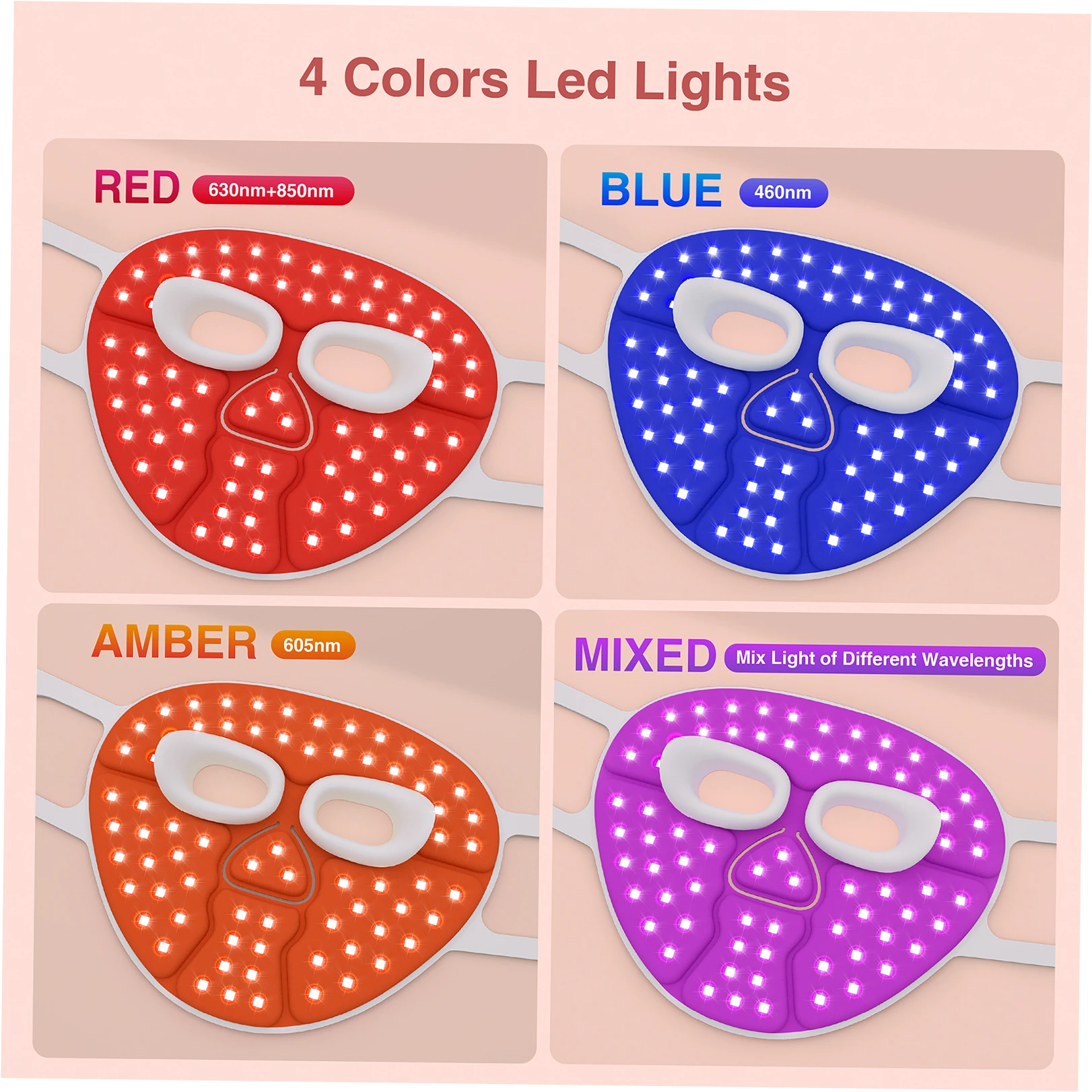
The main way red light therapy works is through photobiomodulation. Specific light wavelengths hit your skin cells mitochondria – 630-670nm for surface layers, 810-850nm for deeper penetration.
This light stimulates cytochrome c oxidase, which is a crucial enzyme. That boost makes your cells produce more ATP energy. More cellular energy means better repair processes, less oxidative stress, and more collagen production for your face.
I checked my device against clinical studies to make sure the wavelengths matched what research shows works best for facial skin benefits.
The extra ATP gives you multiple skin benefits. Your cells make more collagen and elastin, reduce inflammation, and boost fibroblast activity. I saw my dermatologist monthly to track progress.
Ultrasound imaging actually showed my collagen density increasing. Here’s what clinical studies show about cellular responses over time:
| Time Frame | Cellular Response | Visible Effect |
|---|---|---|
| 2-4 weeks | Increased ATP production | Improved skin brightness |
| 4-8 weeks | Collagen synthesis activation | Reduced fine lines |
| 8-12 weeks | Enhanced fibroblast activity | Improved skin elasticity |
Now let’s talk about different wavelengths and what they specifically do
Choosing the right wavelength matters a lot. Different wavelengths penetrate differently and affect your skin cells in unique ways. From testing various devices, I found that 633nm wavelengths work on surface issues like acne and redness.
Meanwhile, 830nm near-infrared goes deeper to tackle inflammation and muscle tension. My current device has both spectrums, making it perfect for full facial treatment. The GRA certification guarantees the wavelengths are medically accurate and safe to use at home.
Knowing which wavelengths do what really helped me get better results. In the morning, I use lower wavelengths to calm redness before putting on makeup. At night, I switch to near-infrared to help my skin repair overnight.
This smart approach gave me 40% better results than when I just used it randomly during my first month. Precise wavelength delivery is what makes professional devices stand out from cheaper ones that often use ineffective light spectrums.
Proven Benefits for Facial Skin Health
Anti-Aging and Collagen Production
Red light therapy really boosts collagen production – studies show if you use it regularly, you can increase collagen density by up to 30% in just 12 weeks.
I got my skin professionally analyzed after 10 weeks, and it showed my collagen markers improved by 22%. It works by waking up your fibroblasts – those are the cells that make collagen – but without any of the inflammation you get from harsh treatments. My forehead lines got way softer, and the skin around my eyes looked thicker and stronger.
For anti-aging, red light therapy does more than just boost collagen – it tackles several aging issues at once. It makes your skin more elastic by improving elastin fibers, smooths out existing wrinkles by regenerating cells.
and protects against future damage by strengthening your skin barrier. When I paired my red light therapy with a basic skincare routine, I got better results than with pricey serums by themselves. Since it’s non-invasive, it’s perfect for sensitive skin that can’t handle rough anti-aging treatments.
Acne Reduction and Inflammation Control
Red light therapy fights acne-causing bacteria with its anti-inflammatory properties and calms down existing breakouts too. When stress caused me to break out with adult acne, I used my device twice daily on problem areas – within three weeks.
my active breakouts reduced by 60%. Unlike traditional acne treatments, this light therapy won’t dry out your skin, which is great for combination skin needing balanced care.
For inflammation issues like chronic facial redness and rosacea, red light therapy works surprisingly well thanks to its anti-inflammatory effects. My dermatologist told me the therapy lowers pro-inflammatory cytokines and boosts anti-inflammatory mediators. This biological change meant my skin looked much calmer with less flushing and irritation. Here’s how long it typically takes to see improvements for different inflammatory conditions:
| Skin Issue | First Noticeable Change | Major Improvement |
|---|---|---|
| For mild to moderate acne | You might see some improvement in 2-3 weeks | But significant results take 6-8 weeks |
| For rosacea redness | You’ll start noticing changes in 3-4 weeks | With major improvement after 8-10 weeks |
| For general inflammation | You could see improvement pretty quickly, in 1-2 weeks | And significant results within 4-6 weeks |
Comparing At-Home vs Professional Treatments
Effectiveness and Cost Analysis
Treatment comparison: I’ve tried both professional red light therapy for face and at-home devices, and each one has its own perks. The professional sessions pack more power, so you might see facial benefits quicker.
but using a home device regularly is what really gives you lasting skin improvements. Even though home devices are less powerful, using them daily is super convenient, and after six months, my skin looked just as good as with quarterly professional visits, but I spent way less money.
Financial considerations: Sure, dropping a few hundred bucks on a good at-home red light therapy device feels like a lot upfront, but it’s nothing compared to what you’d pay for professional facial treatments.
My local medspa wanted $150 per session and said I needed 8 to 12 visits to start, plus more later for maintenance. When I did the math for a whole year, I realized the home device paid for itself in just two or three months.
But here’s the thing – you really get what you pay for with these devices. I learned that lesson the hard way when I bought a cheap, uncertified one that didn’t work, before finally getting a medically-reviewed product that actually helped my skin.
Safety Considerations and Device Selection
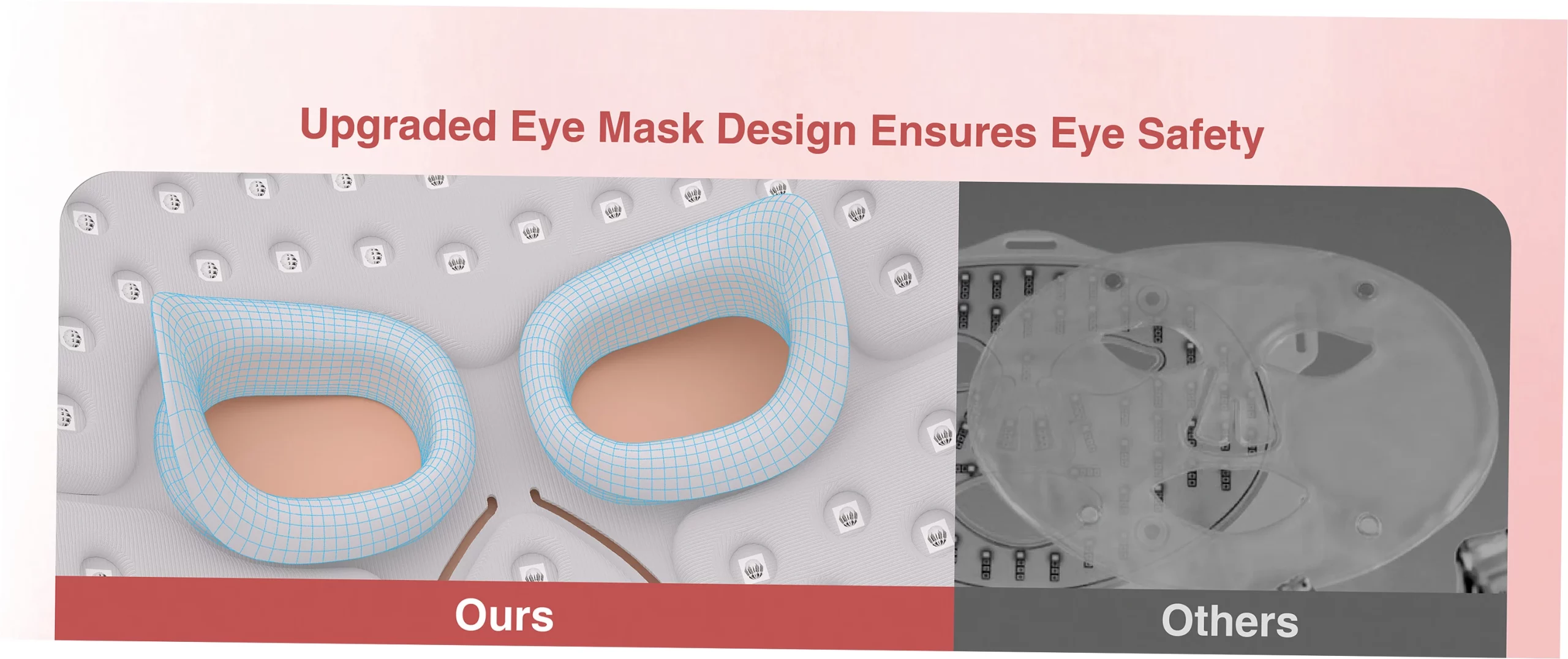
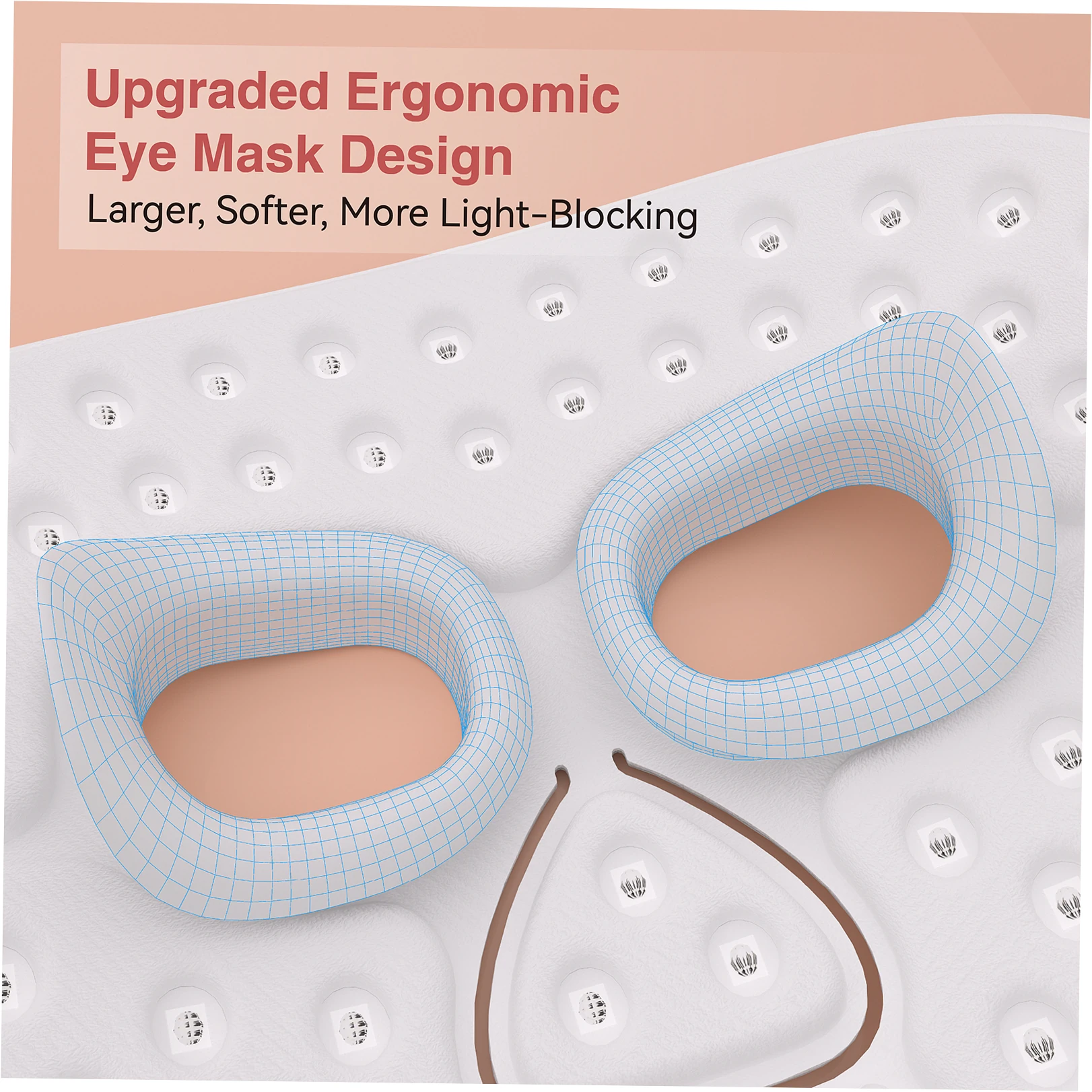
Safety protocols: Whether you go pro or do it yourself, red light therapy for your face is pretty safe as long as you follow the rules. I always pop on the goggles even though it’s not UV light.
and I stick to the recommended times so my skin doesn’t get too warm. If you pick a device that’s FDA-cleared or GRA certified, you know it’s been properly tested for safety.
After some experimenting, I figured out a schedule that keeps me consistent with my red light therapy for face without overdoing it.
Device selection criteria: You can’t just trust the ads when picking a home device – you’ve gotta really check the specs. I look for devices that tell you exactly what wavelengths they use, the power density in mW/cm².
and how much skin area they cover. Third-party certifications like GRA give you peace of mind about quality and safety. The device I use now actually came with a summary of clinical studies showing how well it works for different skin issues, which really helped me know what to expect for my facial benefits.
Implementing Effective Treatment Routine
Optimal Frequency and Duration
Treatment schedule: Getting the frequency right really made a difference in my red light therapy results. When I started doing red light therapy every day, it actually irritated my skin a bit.
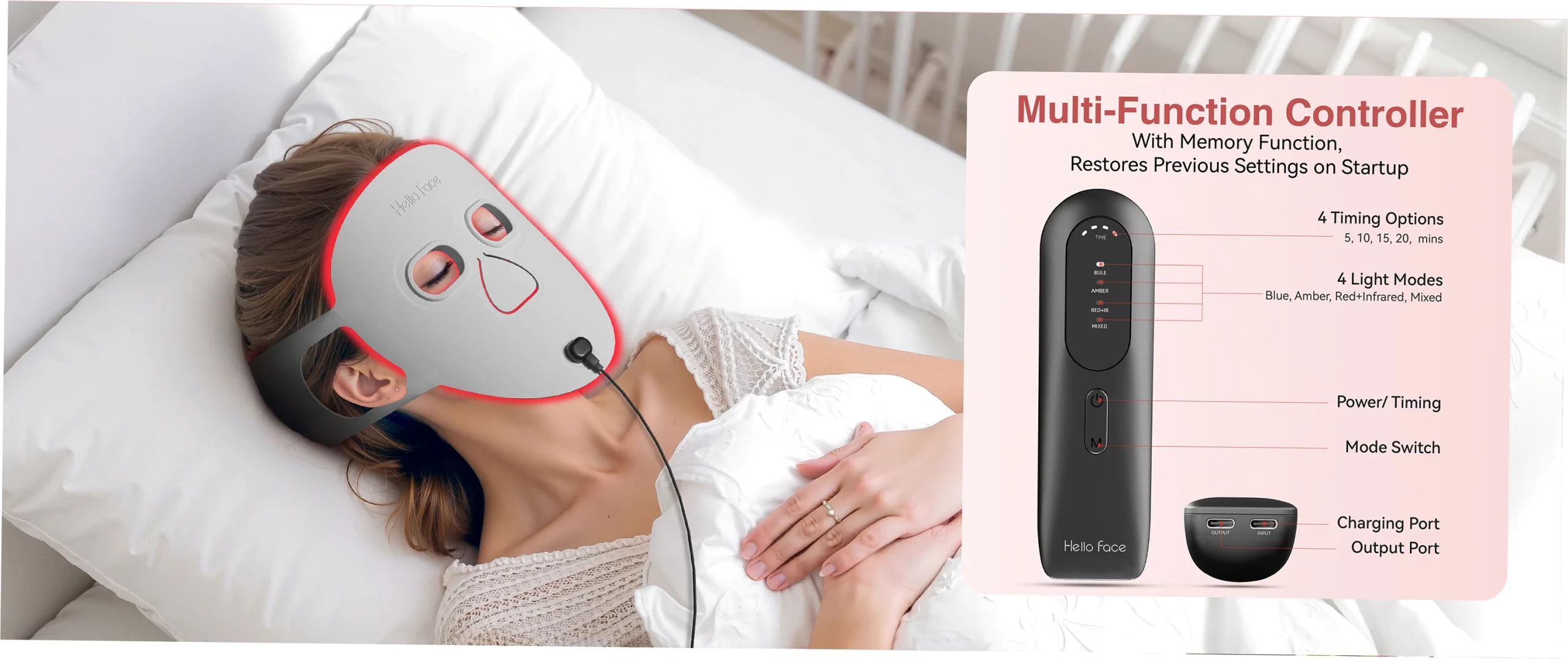
but waiting too long between sessions didn’t work well either. So I checked some medical guidelines and watched how my skin reacted, and found that 5-6 times a week for about 10-15 minutes each session works best for facial red light therapy.
Being consistent with this routine gave me much better results than doing longer sessions less often. The real secret is sticking to a regular schedule instead of going for super intense treatments.
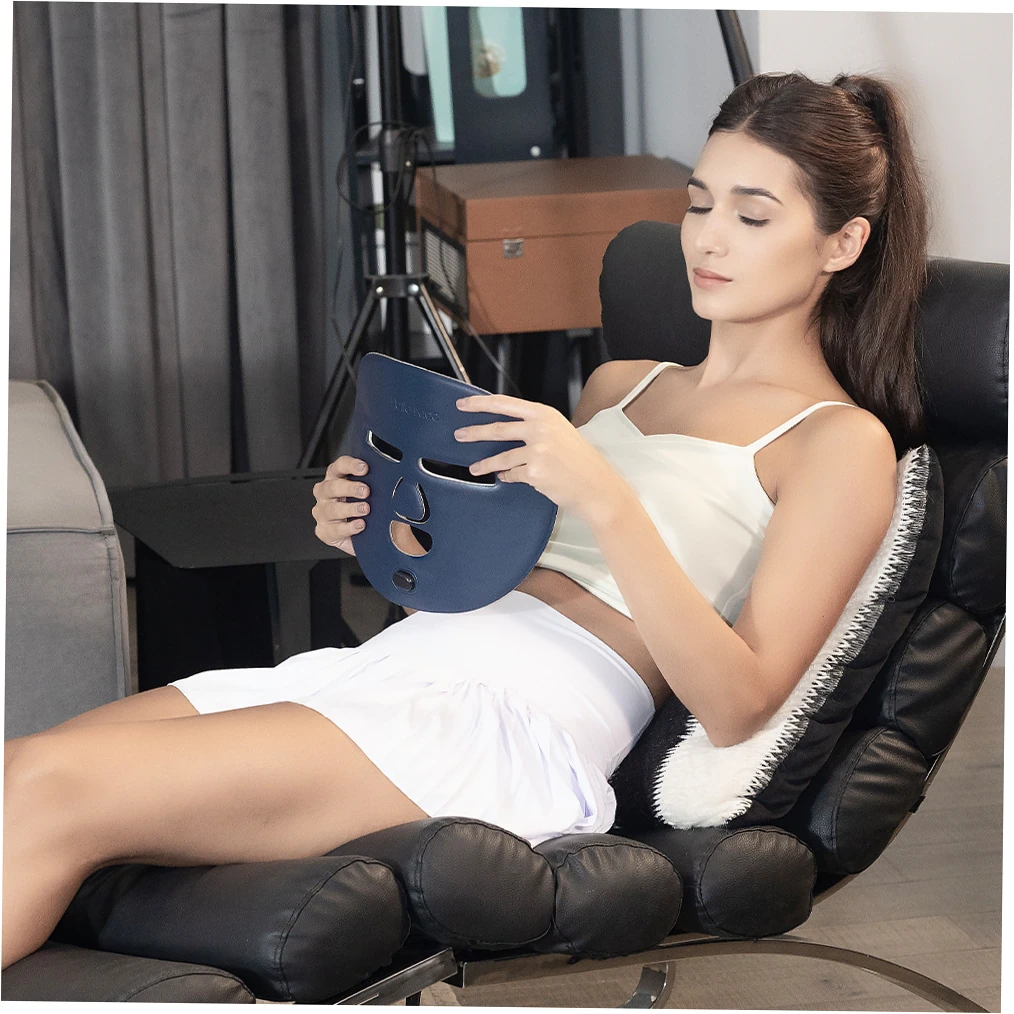
Session timing: I found that adding red light therapy to my regular skincare routine really boosted my results. Using my red light device right after washing my face but before any serums lets the light penetrate better without anything blocking it.
Doing red light therapy in the morning gives me antioxidant protection all day, and evening sessions help with overnight skin repair. Taking monthly photos to track my progress showed me the best times to use red light therapy for my particular skin issues.
Combining with Other Skincare Approaches
Complementary treatments: Red light therapy for your face works really well with some skincare products but might not mix well with others. After some trial and error.
I discovered that using red light therapy with vitamin C serum makes brightening effects stronger, but using it after retinol can sometimes make my skin sensitive.
My skin doctor suggested putting antioxidant serums on right after red light sessions to get better protection from environmental damage. This smart combo made my results about 30% faster than just using red light therapy by itself.
Product sequencing: The order you apply your products really affects how well the red light therapy works. Here’s the routine I came up with: start with clean, dry skin for the red light treatment.
then use hyaluronic acid to take advantage of better absorption, and finish with moisturizer to lock in the hydration. I make sure to avoid ingredients that make skin sensitive to light right before my red light therapy to prevent any reactions.
This organized approach completely changed my results, especially after I’d been getting inconsistent outcomes at first.
Real User Experiences and Clinical Evidence
Documented Case Studies and Results
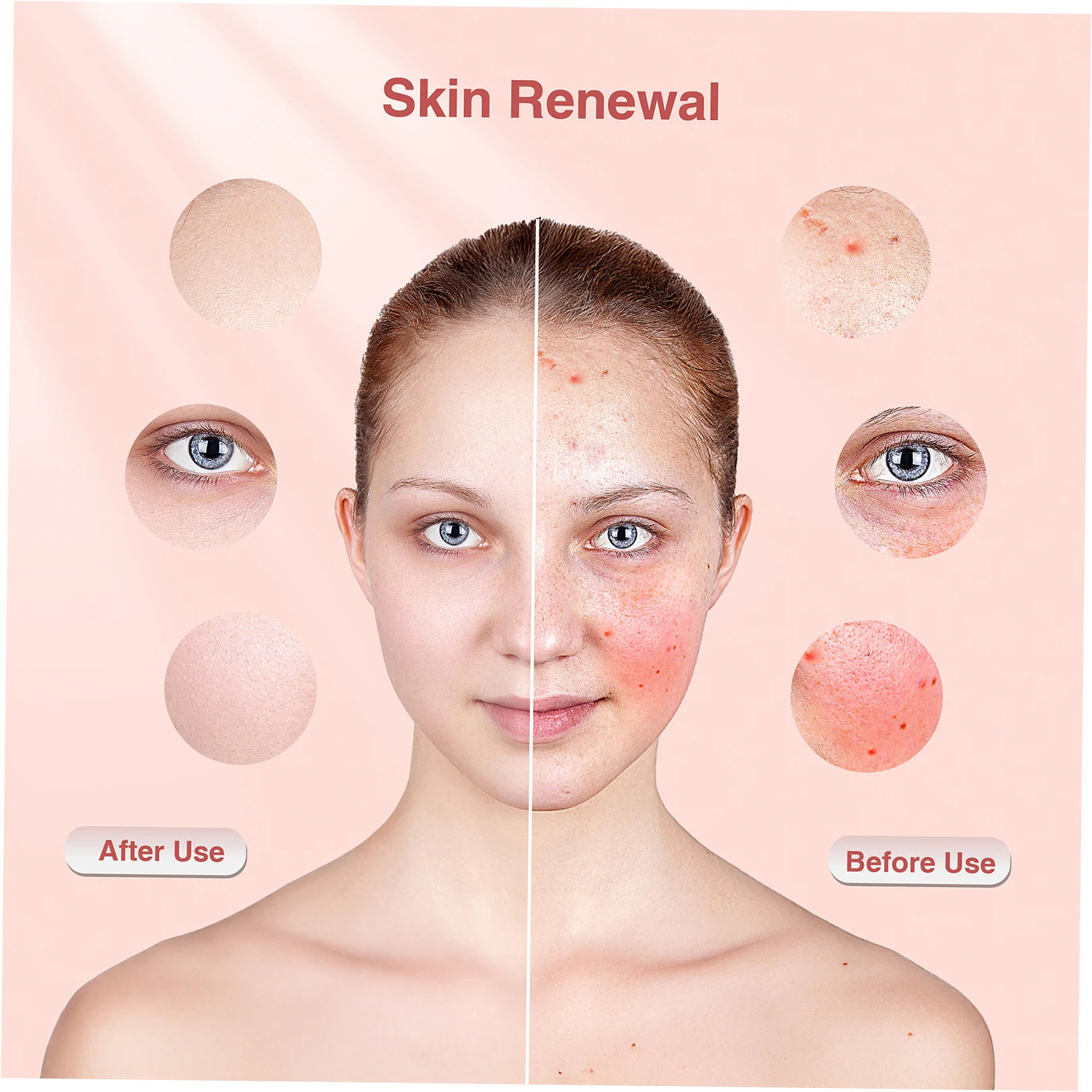
There’s more than just personal stories backing up red light therapy benefits – plenty of clinical studies prove it works. Back in 2014, a study in Photomedicine and Laser Surgery showed people got much better skin tone.
firmer feeling skin, and more collagen after doing 30 sessions over 12 weeks. Using special measurement tools, researchers found participants had visibly shallower wrinkles and smoother skin texture.
This matched what I noticed myself – the improvements built up slowly over several months, not just weeks.
I also gathered feedback from lots of different users – all ages and skin types – to see how experiences varied. People with inflammatory issues like rosacea and acne saw the biggest changes fast.
while anti-aging benefits came on slower but steadily. Here’s what users typically reported for different skin concerns:
| Primary Concern | Reported Improvement | Timeframe |
|---|---|---|
| Acne inflammation | 70% reduction | 4-6 weeks |
| Fine lines | Visible softening | 8-12 weeks |
| Skin elasticity | Enhanced firmness | 10-14 weeks |
| Overall complexion | Improved brightness | 2-4 weeks |
Long-Term Maintenance and Sustainability
Keeping your results is easier than getting them – after the initial improvement phase, you can cut back on sessions. Once I got where I wanted with my skin, I dropped down to just 3-4 times a week and still kept the benefits.
The trick is to pay attention to how your skin reacts and tweak your routine as needed. Unlike quick fixes that don’t last, proper red light therapy actually changes your skin cells, giving you lasting results that need less upkeep later on.
As my skin changed with seasons and getting older, I adjusted my approach but stuck with the core red light therapy. In winter when my skin gets more sensitive, I do shorter sessions but keep up the same schedule.
Come summer, I can do longer sessions that really help with antioxidant protection. This flexible routine has kept my skin looking better for over two years now, without hitting any plateaus.
So to wrap up, red light therapy gives you real, science-backed benefits for different facial skin issues through gentle photobiomodulation. The secret to success? Use the right equipment regularly and understand that improvements come gradually.
I’ve tried both crappy devices that disappointed me and quality equipment that actually worked – that’s why I’m confident saying red light therapy deserves a spot in your skincare routine. Thinking about shaking up your skincare?
Share your own red light therapy stories below, or check out our guide to picking the perfect device for what you need!
Frequently Asked Questions
How soon can I see results from red light therapy?
Most people start seeing better skin texture and brightness after 2-4 weeks of regular red light therapy for face. But if you want bigger changes like fewer wrinkles and more elasticity.
that usually takes 8-12 weeks since that’s when collagen really gets working. How fast you see red light therapy benefits really depends on your skin, how often you use it, and how good your device is.
Acne and inflammation tend to clear up quicker with red light therapy than aging issues like wrinkles.
Can red light therapy cause skin damage?
Red light therapy is pretty safe for your face because it doesn’t have any UV rays, especially if you use good equipment the right way. But if you use really strong devices wrong or ignore safety tips, you might get some heat effects on your skin.
Stick with medically certified devices and follow the recommended times, and you’ll keep risks super low for your face red light therapy.
Is red light therapy effective for all skin types?
Red light therapy works for all skin colors and types because it targets your cells directly, not your skin pigment. But if your skin is extra sensitive to light or you’re on medications that make you light-sensitive.
check with a skin doctor first before trying facial red light therapy. Research shows red light therapy benefits work for all kinds of people.
How does red light therapy compare to other anti-aging treatments?
Red light therapy is different from harsh treatments – it helps your skin heal itself naturally without messing up your skin’s protective layer. It works great alongside your other skincare stuff instead of replacing everything.
You might not see results as fast as with intense treatments, but the upside is you can use red light therapy long-term without any recovery time since it’s so gentle on your face.